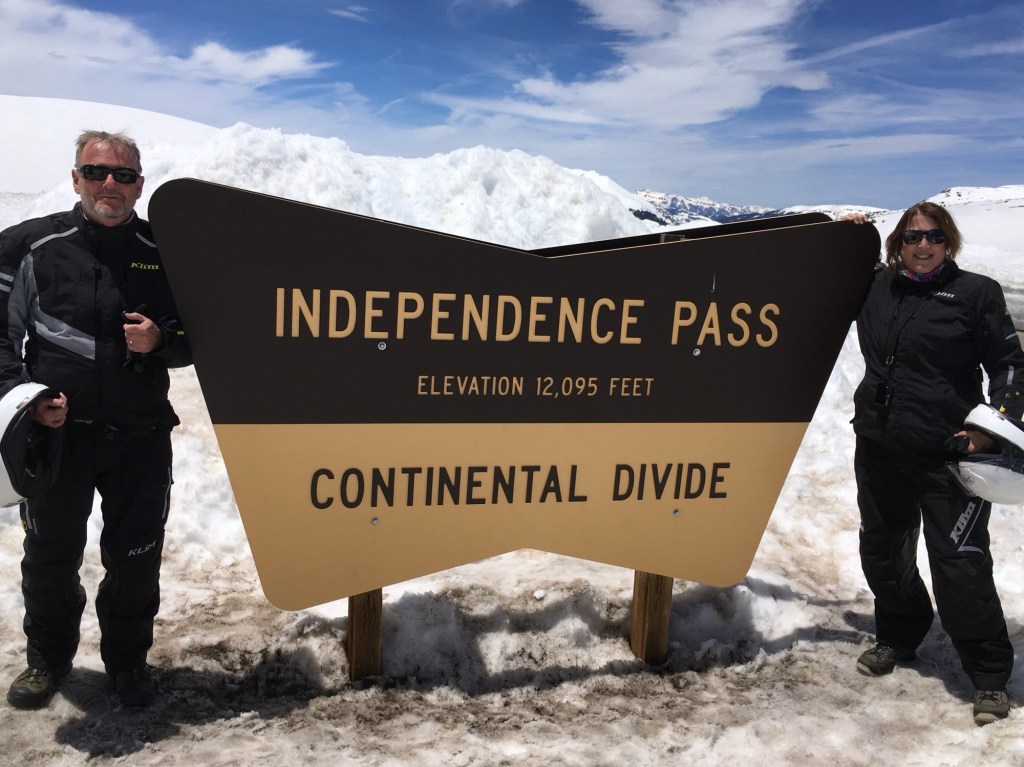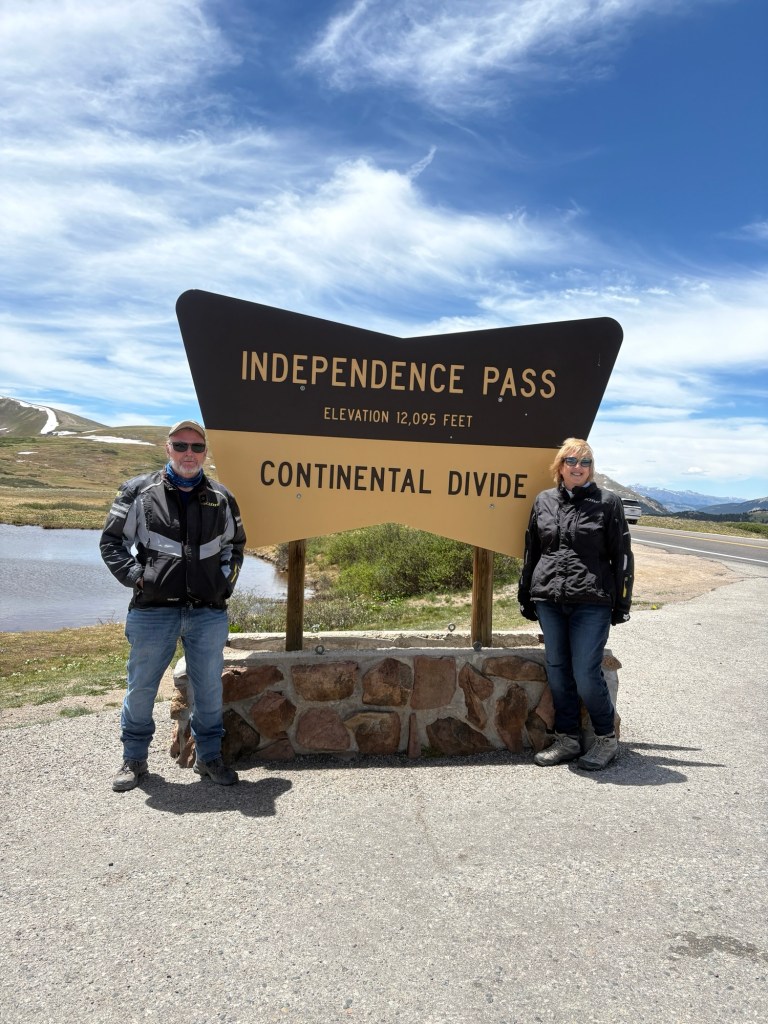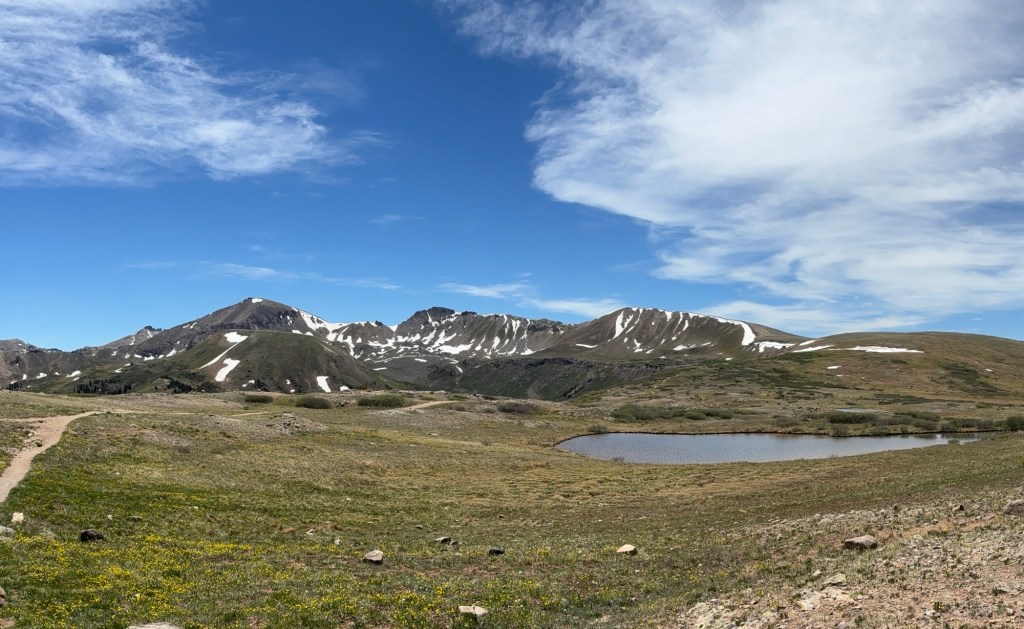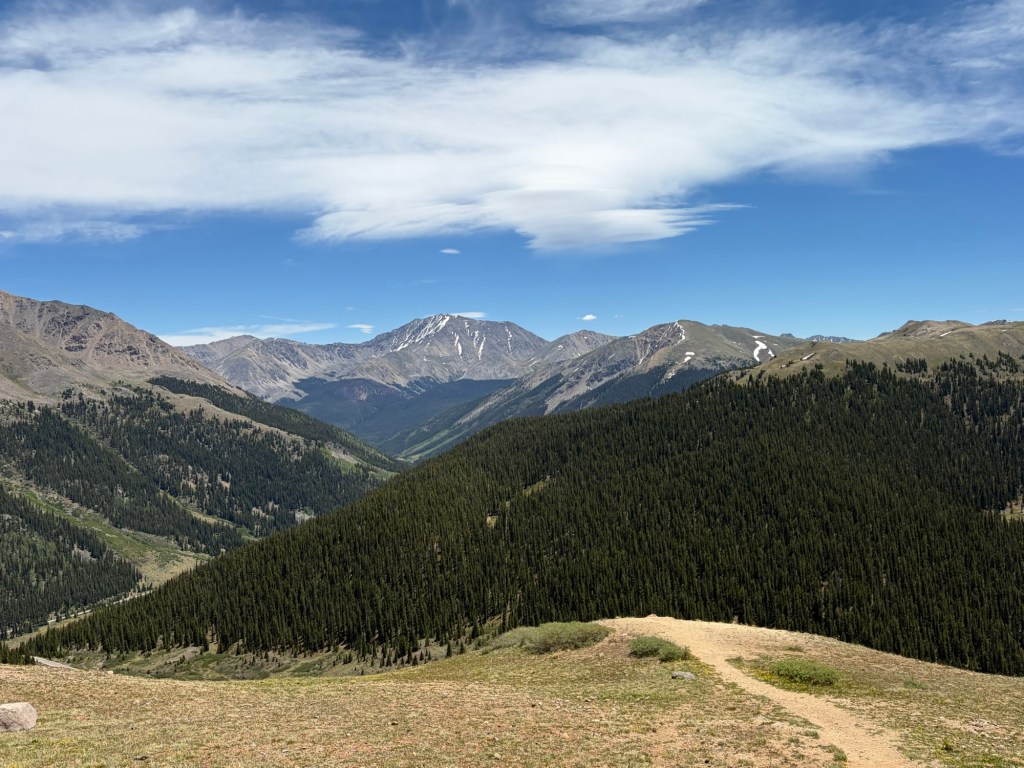
Friday, August 2nd – Western Brook Pond and Gros Morne

Today was a day to explore a bit. We rode and then walked about 3 kilometers to take an excursion boat on Western Brook Pond. It’s a fabulous place that almost nobody has heard of. Except Connie, who found it and booked it. (Connie says: No. It’s highly promoted by Newfoundland Tourism)

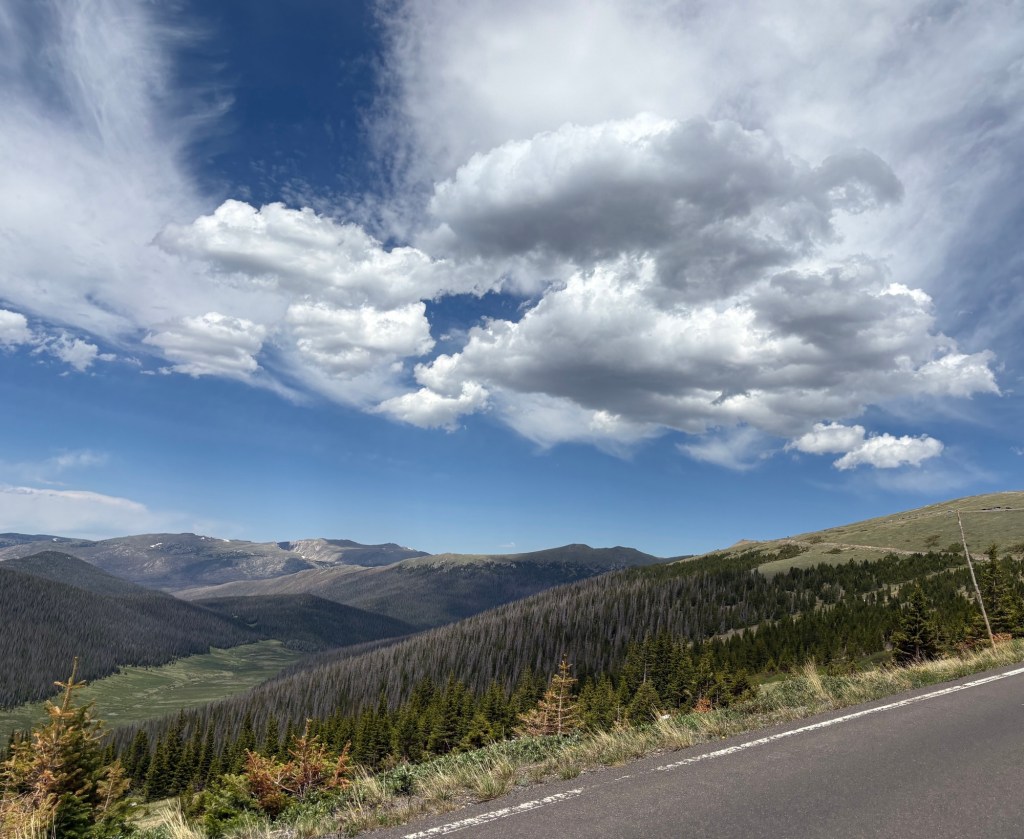
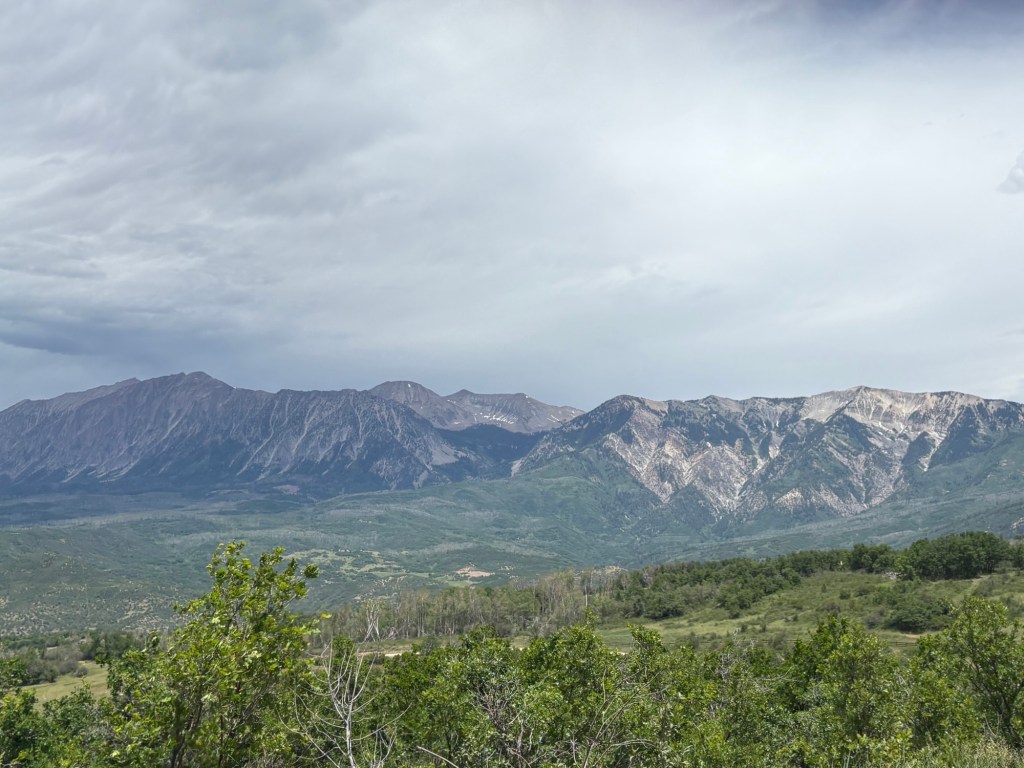
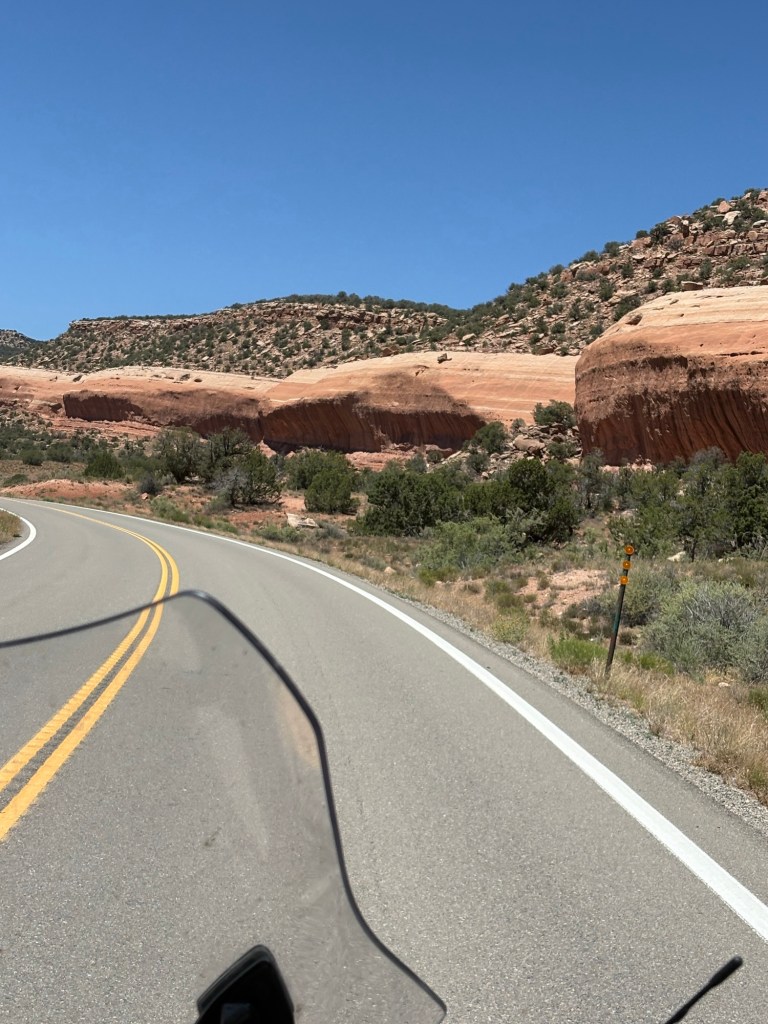
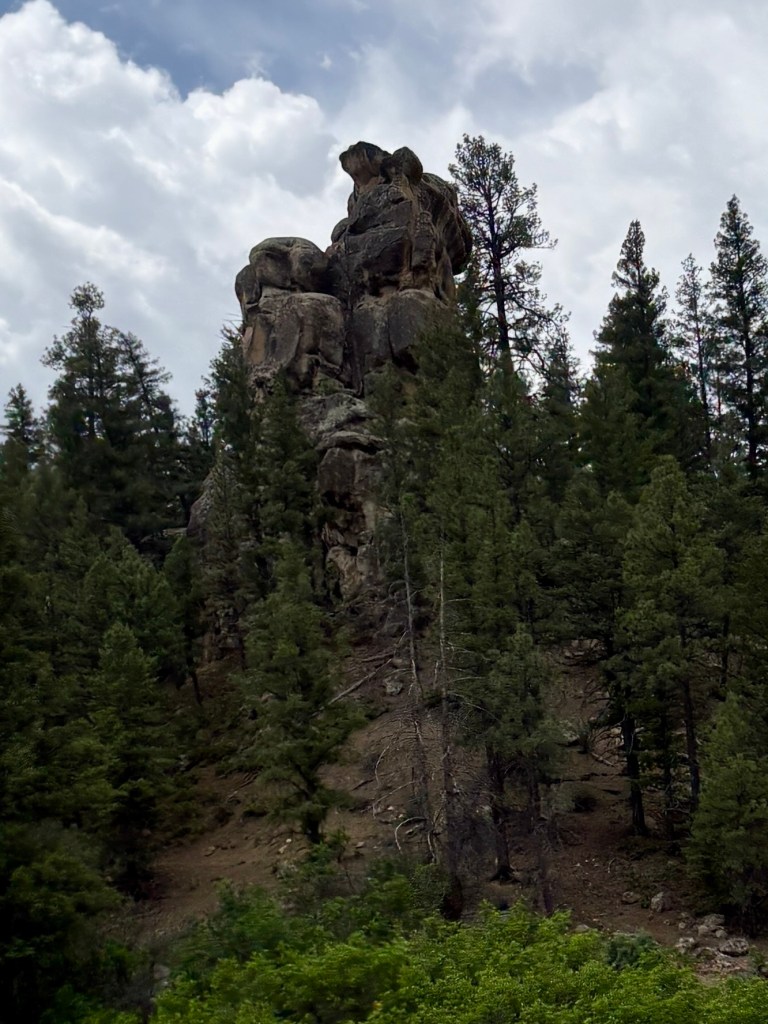
It didn’t look very promising when we set out

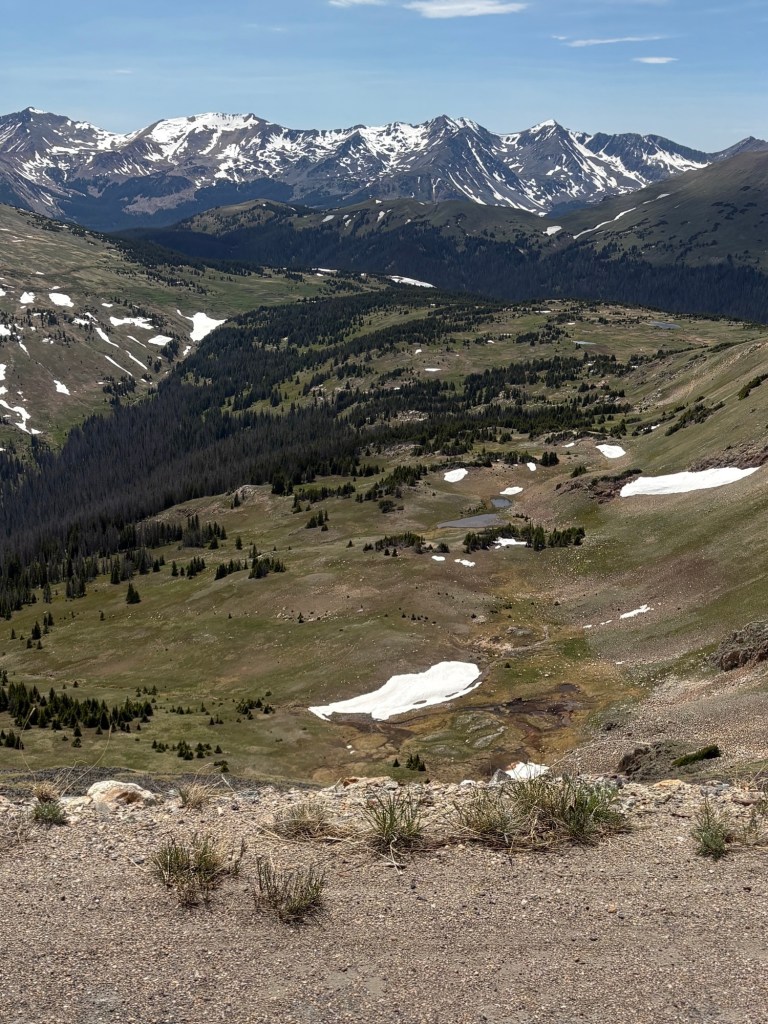
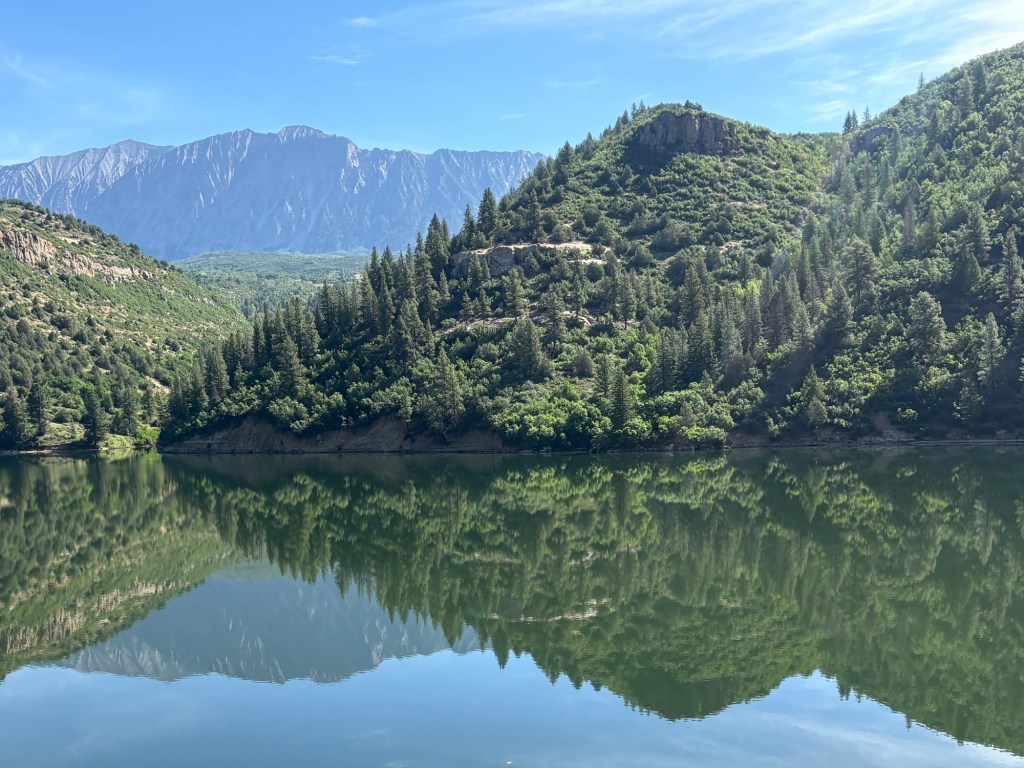
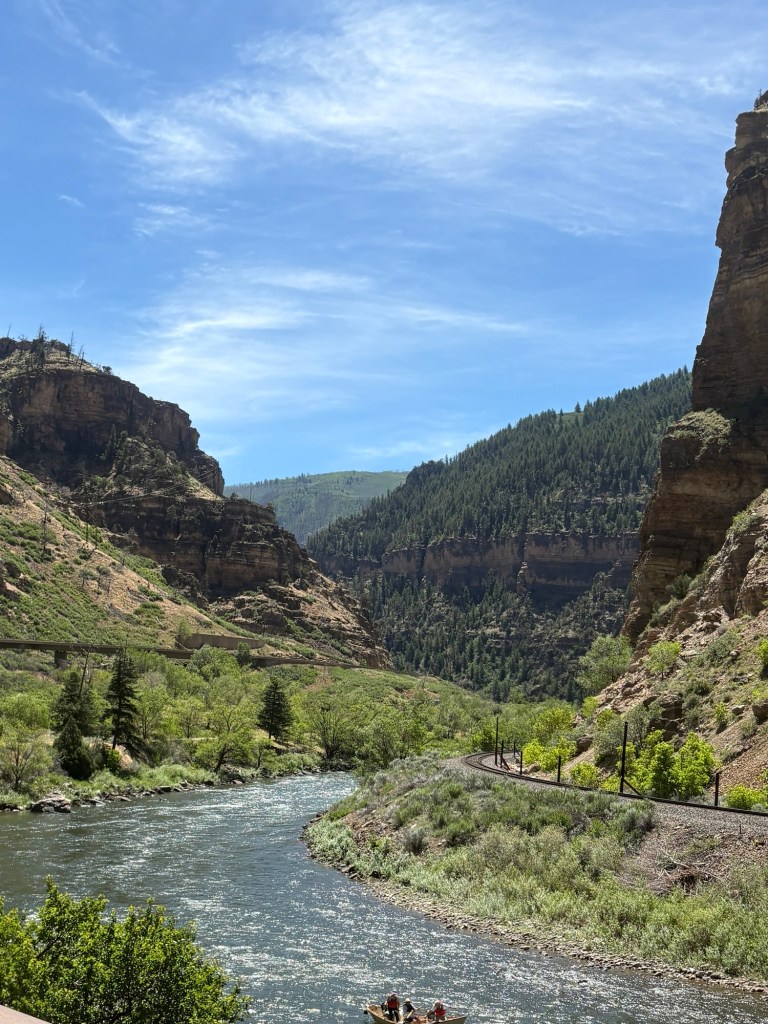
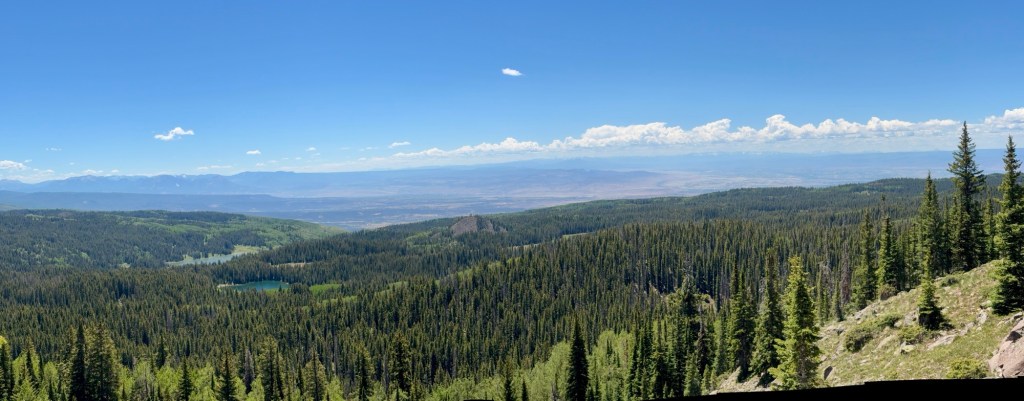
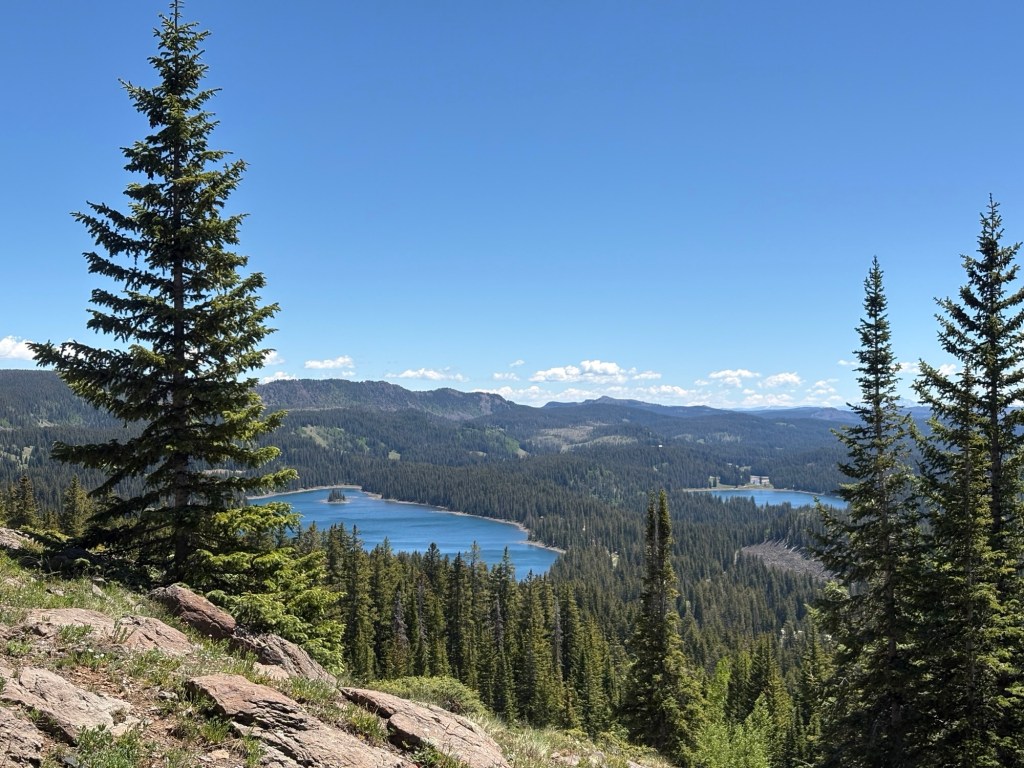
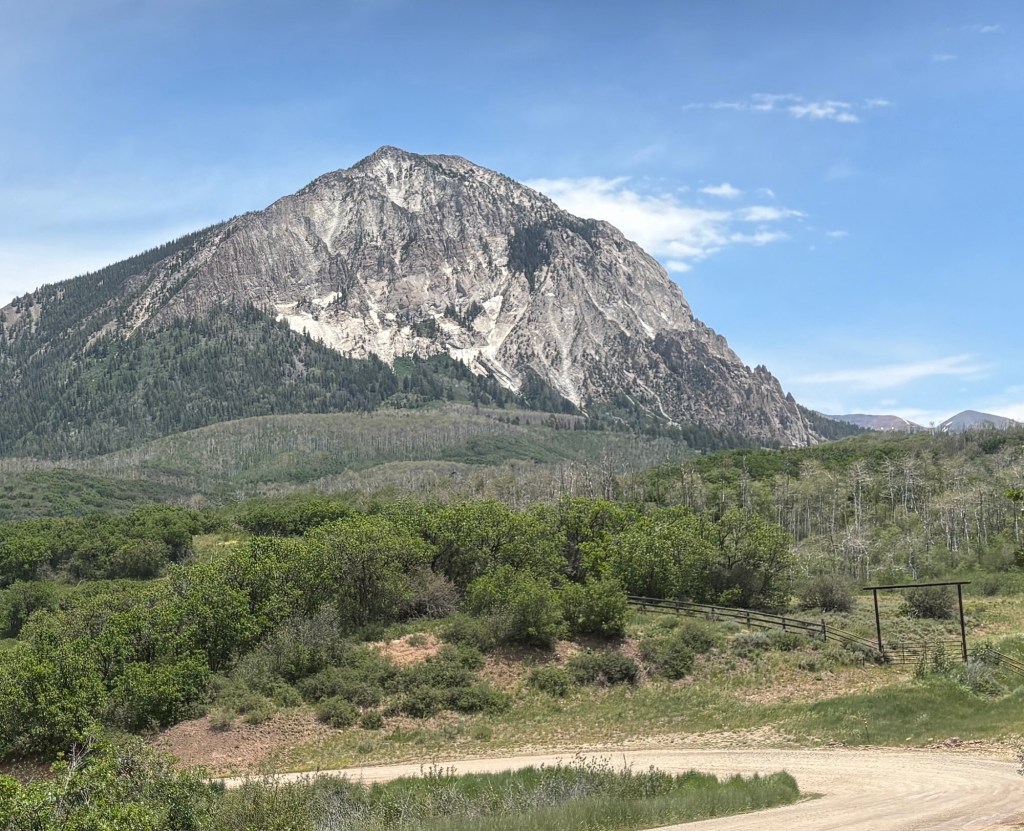
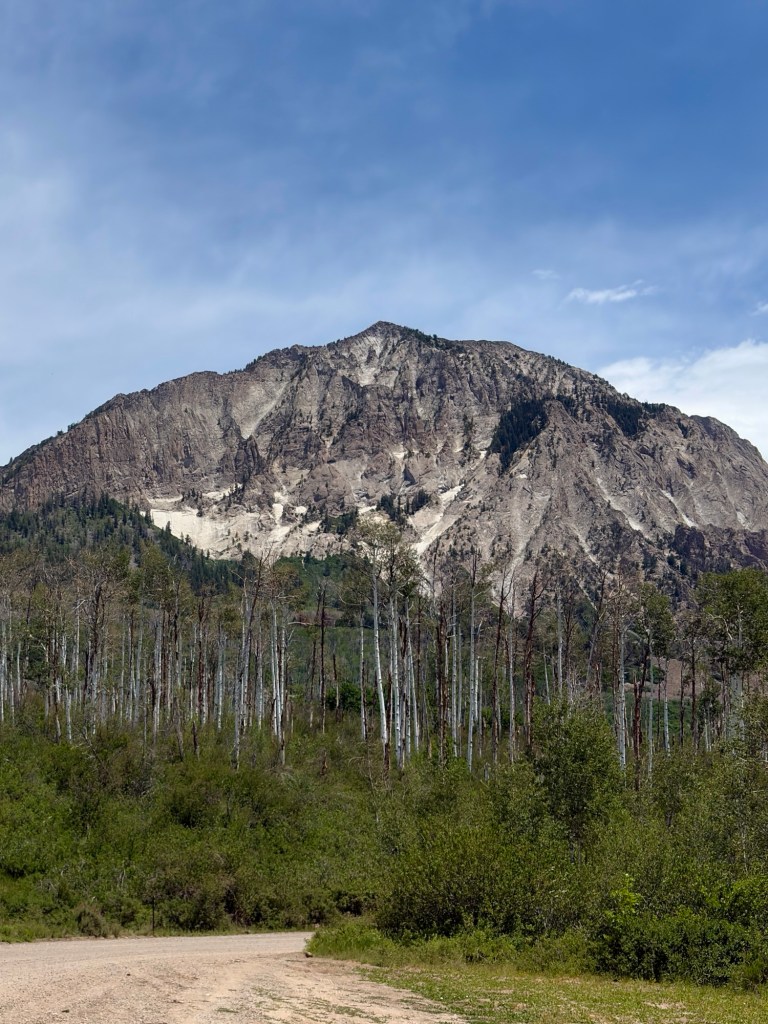
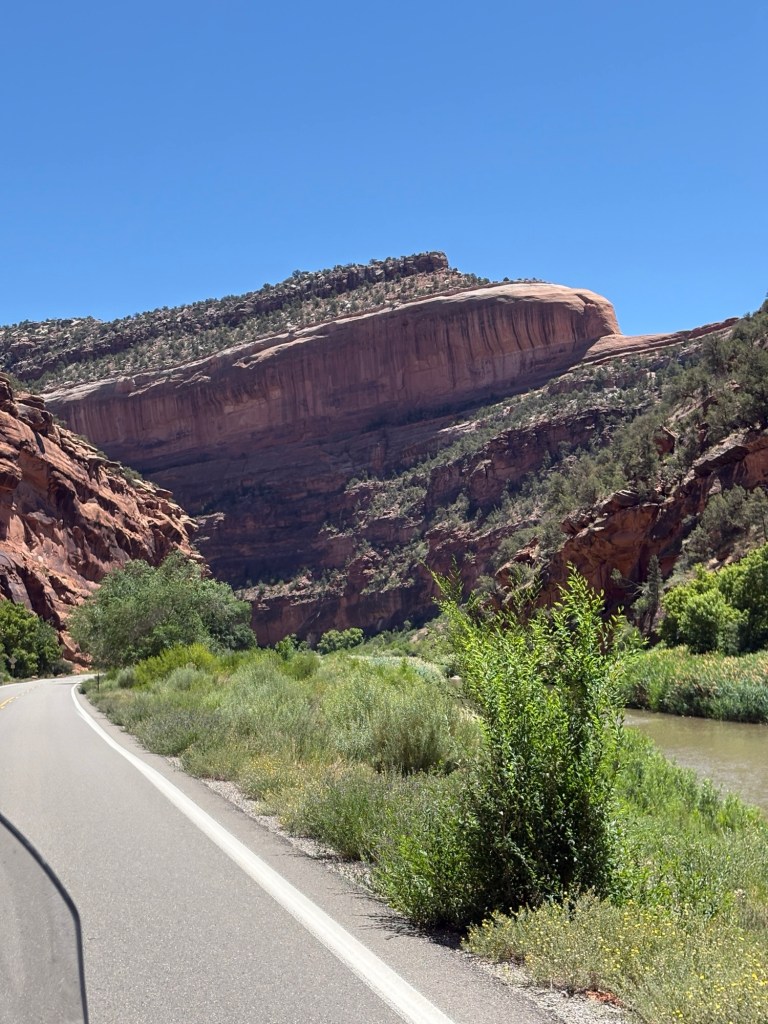
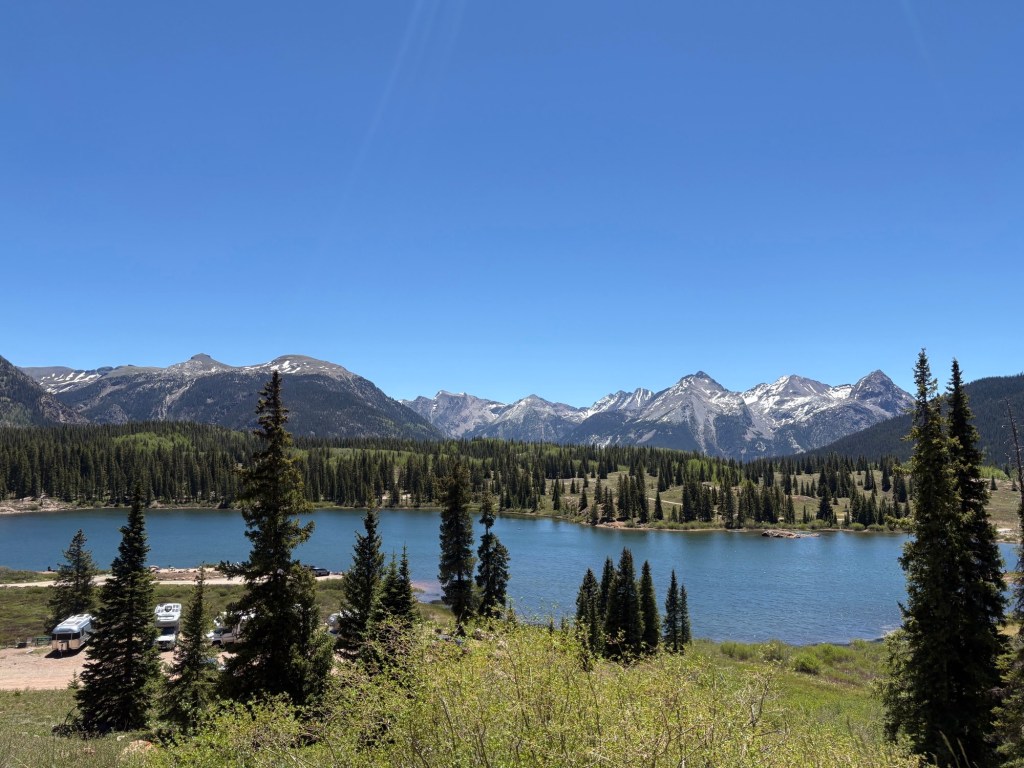
Western Brook Pond is a fresh water “fjord” carved out of the Long Range Mountains by a succession of 20 glacial ages over several million years. The Long Range is the northeastern extension of the Appalachian Mountain chain and covers most of western Newfoundland. When the glaciers were here, their weight compressed the land downward below sea level. After the last glacier receded over 9,000 years ago, the reduced weight allowed the earth to rebound. The lake is now totally above sea level and is one of the purest freshwater lakes in the world. With the exception of the excursion boats and a limited number of hikers, this area is untouched by humans and pristine. Connie got some great shots!
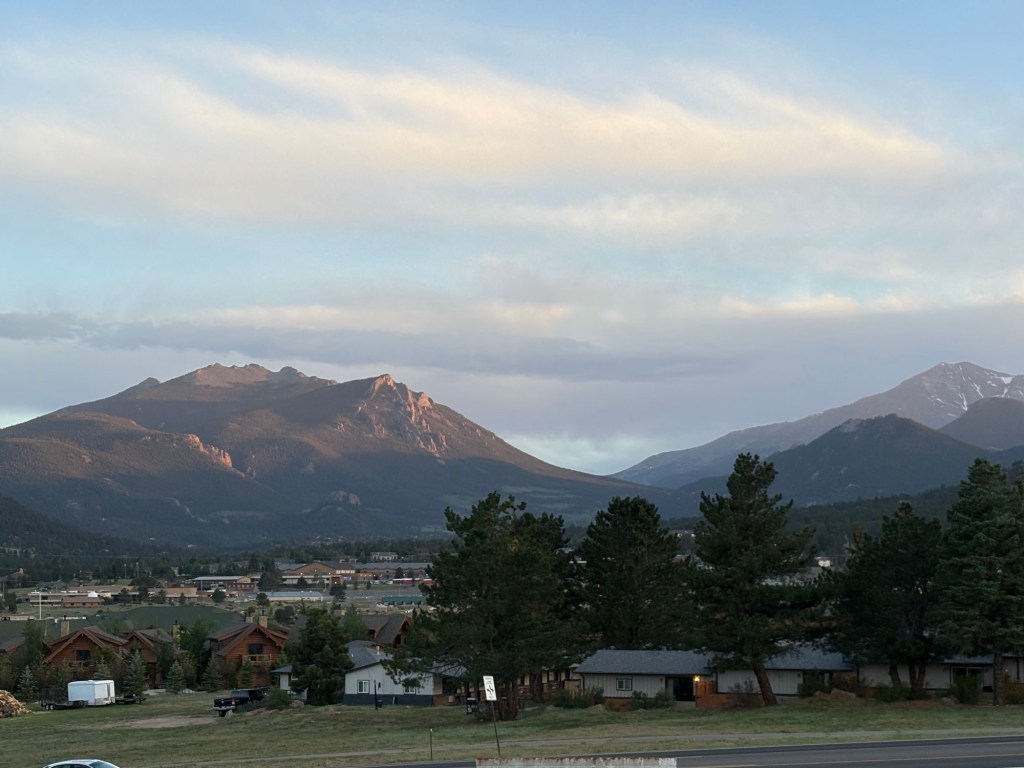
And then the fog started to lift

At the end of the tour we started talking with a young couple from Quebec, Jessica and Francois. We felt drawn to them and we were so thrilled to hear them echo our sentiments about the impact of travel on our lives. There are so many more nice people in this world than not. It makes us feel hopeful.

It was so great to meet you Jessica and Francois.

Our excursion took a large chunk of this afternoon. Our morning was spent inside because it was raining pretty hard. We devoted the early evening to laundry and lounging. Another good day off the road.

Our later evening’s entertainment will be fireworks presented by the town of Rocky Harbor in celebration of their summer festival. We can hear a band playing from our front door, and they’re quite good if you like Country.

An observation: food portions here are really big. Really big. Yesterday I ordered a burger and a small order of fries. The burger was at least 1/2-pound and the small fries weighed at least 1/2-pound. That’s the small portion.

A fish cakes supper comes with three hefty cakes, plus 2 toutons (fried bread) and baked beans, which I couldn’t finish for $16 Canadian. A lot of the food hereabouts is fried and could be called substantial. Come with an appetite.

Tomorrow some pleasure riding along the coast.

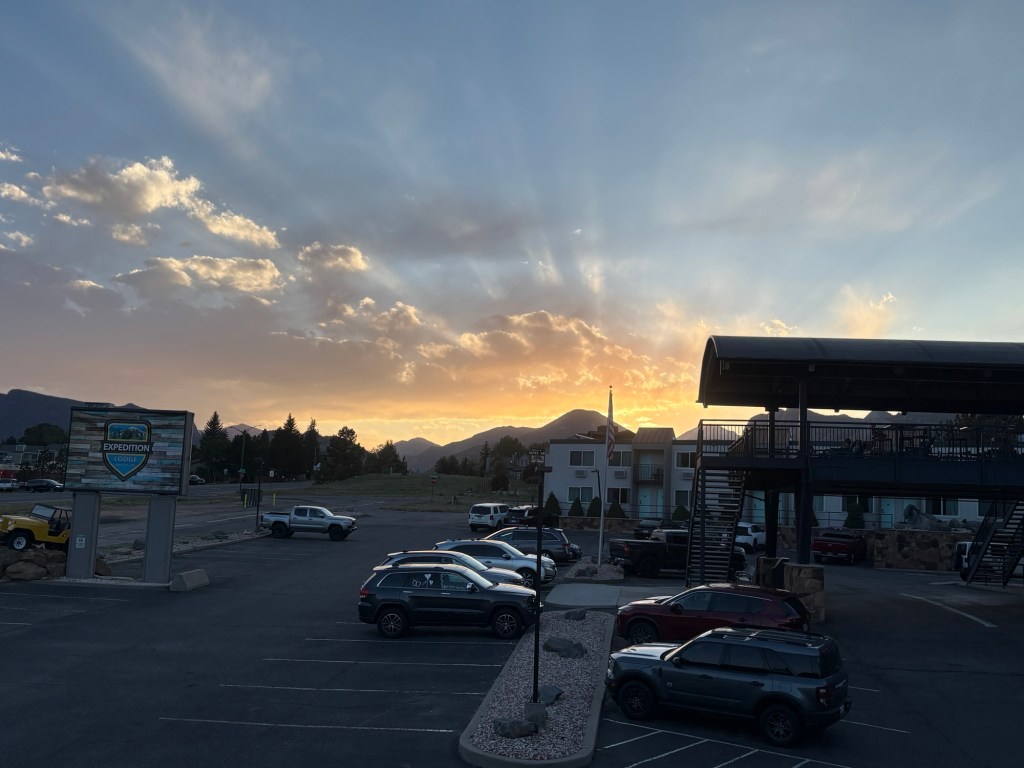
Sunset on Rocky Harbor a few steps from our doorway

Thursday, August 1st – Scooting to Rocky Harbor and Gros Morne National Park

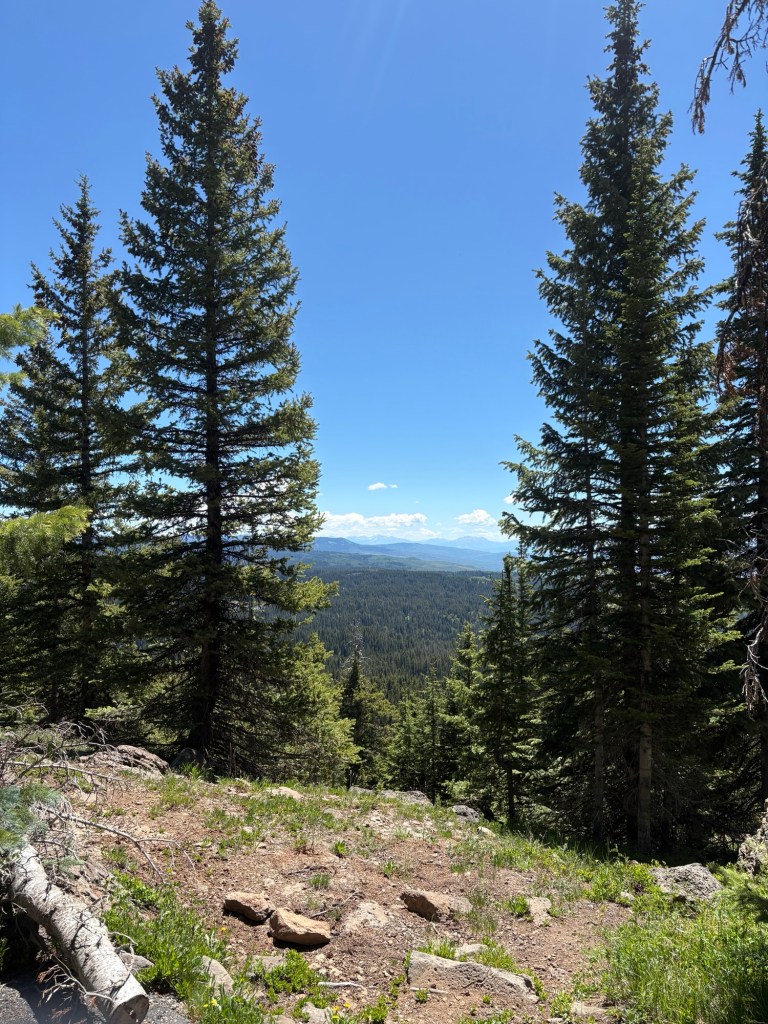
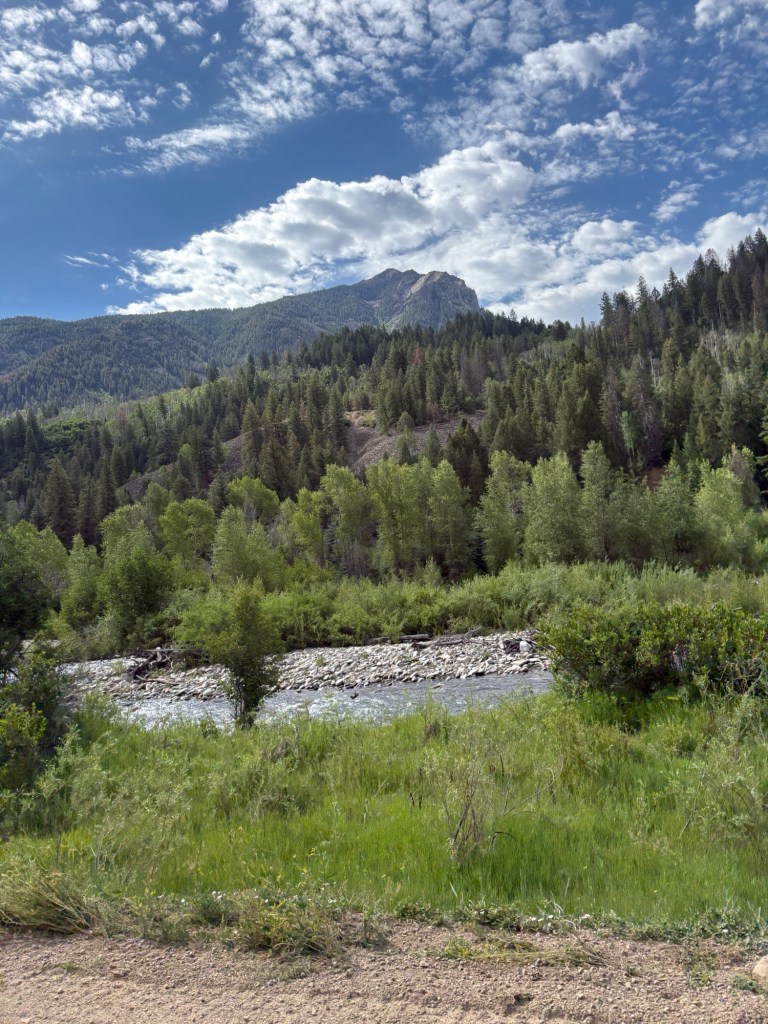
Beautiful and lush Appalachian Mountains

A long day on the road, 265 miles from Twillingate in the east to near Gros Morne Nat’l Park on Newfoundland’s west coast. Quite a change! This is a mountainous region that is part of the great Appalachian Chain that starts in central Alabama, runs through Georgia, West Virginia, New England and finally Canada’s east coast.

The Appalachian Chain was formed over the course of 900 million years, from 1.2 billion to around 250 million years ago from collisions by immense tectonic plates. The last big push upward finished about 240 million years ago when parts of the Appalachians were about as high and rugged as the Rockies. Erosion over such a long time and glacial grinding have reduced the mountains to what we see today. It blows my mind the think that where Connie and I are sitting right now, the ice was more than a mile thick at one time.

Nope. We didn’t get rained on.

Gross Morne Park is named for Newfoundlands second highest peak at about 2,600 feet. Not very impressive compared to Pikes Peak or Dinali or the Himalayas, yet substantial for this area. This is a UNESCO Heritage site because former ocean floor and portions of the earth’s hot mantle that were thrust upward when the mountains were formed are now visible on the surface. (This is exceedingly rare, hence the UNESCO designation.) we are excited to have a chance to walk on this ground in the next day or so.

Some passing thoughts.

Newfoundland has approximately 510,000 residents in 2024. The Caribou is the national animal. There are far more moose than caribou, nearly 200,000 according to local warnings. That’s a moose for every 2.5 persons. And they’re really big, tall, and ugly and mean. There ain’t no Bullwinkle in it. They are not afraid of people or cars or much of anything, but come out mostly from dusk to dawn. During the rut they will likely attack as not. Canada has posted many warning about the need to slow down and be alert on the roads. Riding a motorcycle makes us particularly sensitive to the warnings.

Some of these signs include the number of moose collisions this year and last.

That being said, the provincial department of transportation takes it upon itself to clear road sides back at least 100 feet on each side in order to give motorists a chance to see and avoid moose as they cross. Remember, moose don’t care about cars. We noticed some crews who are going further, by digging very deep and wide trenches along side roads to slow the critters down. It’s fascinating. Sure hope it works.

Have a great night!

Wednesday, July 31st- Relaxing in Twillingate

Long Point Lighthouse

Like the title says, this has been a bit of a down day with Lolly-Gagging and slow motions. A bit before noon, we mounted up and rode the 5 miles to Long Point Lighthouse, set high on stunning cliffs overlooking the Labrador Sea. Following a short trail, we came to a lookout at cliff’s edge that allowed us to view small rocky islands offshore festooned with birds, and a smaller whale (maybe a young Humpback according to a local source).

We returned to town in time to get an excursion boat to see some whales up close, which we did. Magnificent creatures!

On board we met Jerry, a crewman originally from Ontario. He’s retired now from manufacturing operations for a huge auto parts plant across the border from Detroit. He and his wife, Jackie, found a home near Twillingate big enough to host the grands and select parental units each summer. They love small town life (Twillingate has around 2,100 residents) and don’t miss big town amenities. For those they cane go to Gander with 9,000 folks and an airport. Fun, gregarious and smart, my guess is he works on a boat to earn a few shekels and keep out of Jackie’s hair.

So lucky to see a humpback whale
The coast line is so rugged.

We returned to the pier in midafternoon and made our way to Pier 39, a small restaurant we enjoyed last night. After a great meal we walked back to the inn and are settling in for the night. Tomorrow is a long day riding to Gros Morse, a famous park in Newfoundland. Happy and relaxed, it’ll be an early night.

A happy man at sea

Tuesday, July 31st – To Twillingate

Twillingate Harbor

We are impressed with how hard working the folks we have met are. Our waitress from last night, Juanita, and her serving partner were back again this morning serving breakfast despite an hour drive each way. She works six days a week yet presents as a dynamo of good cheer and humor, and we fell in like right away. Hard to find an ambassador of good will greater than Juanita, though we’ve met many who are kind and gracious. She will take her day off this week to see her doctors in St John’s, 3 hours away.

Thanks for making our day, Juanita

This, we think, gets to the fact that Newfoundland’s economy is greatly dependent on fishing and tourism. The whole “make hay when the sun shines” seems true in spades for so many here: when folks visit from out of town, they need to eat and sleep and recreate and everything else. Make folks happy and they’ll come back and maybe bring their friends. The genuinely kind spirit of these people matches perfectly with the wants and needs of visitors.

That’s our take, anyway. And we feel it is just and proper. I’ll get to that in another minute.

We rode about 215 miles to Twillingate today, with a stopover in Gander. You may recall that on 9/11, there were hundreds of aircraft flying when the US closed its airspace in response to the terrorist attacks. That included many passenger jets that were over the North Atlantic who were forced to either turn around if there was sufficient fuel, or find another airfield outside the US to land.

The field at Gander, NL had once been an air base for the Royal Canadian Air Force , but was used less after the end of the Cold War. On Sept 11, 2001, it became a refuge for 38 airliners who carried nearly 6,500 passengers and crew. Other fields in Canada that could handle large aircraft, like Halifax and Vancouver, also took in many planes. Folks needed to eat and sleep and bath and so forth. The town of Gander, however, had only about 9,000 inhabitants. Thus started Operation Yellow Ribbon, in which municipal facilities and workers, local folks and folks in neighboring towns opened their homes, kitchens, cars and trucks, clothes closets and laundry rooms for these people they did not know but who needed them.

We spoke with Brian, who works with Gander Town and took part in his community’s response. He told us that grocery and clothes stores from Newfoundland, Nova Scotia, the other Maritime provinces, and the eastern mainland just voluntarily re-routed trucks destined for their stores to Gander. There was a need to meet and work to do. And it was done with good cheer.

Brian reports that of the people came from 92 countries, speaking dozens of languages and some representing the most privileged elites. No one among the stranded passengers kicked up a fuss or demanded special treatment. Not one person among the hosts complained or showed resentment.

Speaking personally, this story has always moved me greatly. This is how life is supposed to be lived: Where there is need, meet that need. And thus friendships are made.

Compassion Monument

There’s a Memorial to Operation Yellow Ribbon placed in front of Town Hall. On a 9,000 pound Newfoundland granite, a plaque and a piece of the Twin Towers are bolted. The steel piece had been donated by the Bethpage, NY FD, who themselves were gifted it for their gallant response at the scene, which cost the lives of 70% of their crews. It was a gift of thanksgiving for the inspiring, selfless service at Gander.

Newfoundland is sometimes called the Rock: a solid, steady and safe haven. With people to match. Thus the memorial was designed with a place to sit and reflect.

It brought back some meaningful memories of that time. Connie and her co-worker, Tom Keevey, worked to staff the NJ Family Assistance Center at Liberty State Park with companions to give assistance to families of NJ victims. These companions were comprised of volunteers from throughout NJ as well as across the US (and include Hank).

So many people from around the world came together to help those affected by a senseless act of violence.

We hope you will indulge us for this homage. This has been a moving day.

Monday, July 29th – the Bonavista Peninsula

Bonavista Lighthouse

We set off from Dildo (stop snickering!) this morning headed toward Bonavista on the northern tip of the peninsula that bears that name. While the ride was pretty for the most part, it was the destination that was more important today. Our route included the Trans Canada Highway (TCH) through Clarenville to Rt 230 north. This was an inland route that got quite warm, into the high-80’s for goodness sake! About lunch time we crested a hill coming into Port Rexton and we met a delicious sea breeze that cooled us wonderfully. It was like coming into air conditioning but without the equipment.

Shortly thereafter we pulled into a little restaurant called “The Two Whales”, which specializes in vegetarian food. We didn’t know that coming in, but are glad we did. They grow their own food as a part of a co-op so everything is very fresh and good. (They have vegan options, too). We eat a lot of meatless meals at home so this was in our wheelhouse. We can recommend it!

View from our lunch stop

Suitably refreshed, we continued up Rt 230 to Bonavista Lighthouse, at the northern tip of the peninsula. It did not disappoint. The strata of rock were thrust up by titanic tectonic collision millions of years ago to create towering bluffs that have partially eroded away. The result is a craggy coastline with protected harbors and also any number of dangerous shoals. Hence the lighthouse, which guided and warned mariners from 1843 to 1962. It has been replaced by an automated light. Newfoundland and Labrador Parks Commission has done a nice job of preserving the site for the public.

We took a walk out on a promontory overlooking the bay to the west and just luxuriated in the austere beauty all around. While we have pictures, we especially loved sitting, listening quietly while the wind, surf and bird calls washed over us.

As we were getting ready to leave, we met Daniel, who grew up in Bonavista but moved away in the late 60’s. Like many (most?) of us, he never really appreciated what he had here growing up. Coming home from Toronto to visit family, he now sees how special his home was. We had a great time getting to know him a little and hear a few select stories.

One story spoke to his having grown up in a very small town. When Connie and I mentioned we were headed next to Ellison to catch sight of some Puffins, he laughed and said that he only dated girls from Elliston, or Catalina, or Port Rexton, or other towns not Bonavista. That’s curious. It seems that since everyone knows everything about everybody from infancy forward, the only chance one had to start fresh in a relationship is to head out of town. It never would have occurred to me until now, but this cultural practice makes a kind of sense, especially when it comes to preserving one’s reputation.

We rode to Elliston in search of the world famous Puffins. Fun looking birds, though we didn’t see any. Gulls there were a plenty, and cormorants, too. But no puffins today. We’re hoping we may be more fortunate in the days ahead.

This is a puffin. Cute, isn’t it?

It was another fun day, but now to bed. Have a good night.

Sunday, July 28th – After St. John’s

We headed out from St John’s this morning and left the Avalon Penninsula behind to explore the peninsula to the west, heading finally in Dildo, NL on the southeastern corner of Trinity Bay.

Yes, you read that right. The town, which has only a few hundred residents, was first referred to in 1711, though it’s not known exactly how it got its name. Before you snicker too much, a “dildo” was a long tubular pin used in an oar lock on a rowboat in order to pivot an oar. It was sometimes referred to as the “thole pin” or “dole pin”. The word, of course has other meanings but we will slide by that here.

Yes, this hillside sign exists

Our ride here involved following the coastline of Newfoundland’s central peninsula a long Rtes 70 north and 80 south, a total of 160 miles. The sky was clear and visibility was excellent again, so the views were so beautiful.

We made a couple of stops along the way. One was in the tiny town of New Melbourne, just at the top of the peninsula, is so small it doesn’t have a listing in Wikipedia. We pulled over in front of a house with two big Rose of Sharon trees. The owner, Jim, came out to say hello and make sure we were okay. A tall man with white hair and mustache, Jim was happy to share a bit of his background as a retired fishery worker and was happy to hear what brought us to his doorstep. Again, we met kindness and consideration and warm welcome. His accent was very strong, making his words almost musical. In other circumstances we would have been glad to stay and chat a while.

A bit farther along, we came upon Hearts Content, an important small town that hosted the station where an international telegraph cable came ashore. In 1866, the company that would become Western Union successfully laid underwater telegraph cable for the first time from Valentina Island, Ireland that terminated in Hearts Content. From there, telegraph traffic moved via cables to Nova Scotia, Montreal and New York City. This required an entire industry built around telegraph operators and technicians to keep the flow on information moving between Europe and North America. This innovation was central to modernizing global finance, marine traffic schedules, news from around the world, so forth. It made happenings around the globe more immediate and made the world smaller. The station remained active through 1965 when other means of communication became available. It’s a fascinating place and worth a stop.

1901 Map of transatlantic cables

We pulled into our B&B around 4:30 and started to unwind. The Inn where we are staying is called Inn By The Bay and is just a few yards from the water. It’s a lovely converted old home and we feel very fortunate to stay here. Supper was at the Dildo Brewery down the street where we had opportunity to purchase apparel with the appropriate logos. And the food was good, too.

Tomorrow’s weather looks to be good for riding. But that’s another story.

Saturday, July 27th – to St. Johns

Atlantic Coast of Newfoundland from Signal Hill above St John’s.

We had a lovely night’s rest onboard the ferry. Being rocked to sleep feels decadent. The ship/boat docked at Argentia, NL and we rode off at around 10:00 local time. That’s 8:30 EDT. (Don’t know why) it was cold (56F) with rain and high wind so it took a few layers to keep warm.

Beautiful high wetlands

Our first stop was along the eastern coast at Witless Bay, about 20 miles south of St John’s, the Provincial capital. It was named for a Captain Whittle, who settled there with his family in the early 1600’s and called Whittle’s Bay. After the good captain died, his family returned to England. Whittle’s Bay became Whittle-less Bay, and eventually, Witless Bay. Interesting how places get their names. Anyway, the view was pretty and we enjoyed the ride.

Petty Cove

Then on to Petty Cove, another coastal town closer to St John’s that is part of Motion Bay. Settled by French colonists in about 1598, its name is derived from “Petit Havre”, meaning Small Harbor” in French. Another beautiful fishing village that is a blast to ride to.

Cape Spear Lighthouse

Our next stop was spectacular: Cape Spear, which juts out into the Atlantic and is the easternmost place in North America. A lighthouse has stood on this headland since 1835 and has guided the approach into St John’s Harbor. An army barracks with canons was established to defend the light from attack during both World Wars. By the time we arrived, the sun was out but it was still cool and the wind was very strong over the imposing rock formations. The tall grasses and shrubs looked to be hanging on for dear life. With a white-capped sea stretching to the horizon, it’s easy to sense the desolate solitude faced by lighthouse keepers season after season after year. There are trails laid out by the Park Service if you’re so inclined. Definitely worth a visit no matter how you get there.

It was windy and cold and beautiful
Signal Hill

It was an easy ride to our last stop before reaching our hotel: Signal Hill Historic Park overlooking the harbor of St. John’s. Signal Hill is a military lookout and defensive installation on the headlands to the north overlooking the Narrows that open into the harbor. It was a formidable defensive position with a battery of cannon facing straight down the narrow passage from the sea to the anchorage and the valuable shipping within. Sailing ships in particular would have had no room to maneuver and no way to defend themselves from British fire. It’s impressive to see.

To the left of the structure on the promontory are replicas of the canons used to defend St John’s Bay

From there we went to our hotel, then strolled down to George Street to find food and music. O’Leary’s had an Irish duo playing, well, Irish folk tunes on a guitar and an accordion. Naturally, Irish stew was on the menu and we had a great meal.

St John’s downtown is known for music and the arts

On our walk back, we bought cones from an Eva’s Ice Cream truck that specializes in fantastic flavors on homemade cones. Debbie, whose son is owner of the franchise spoke to us for quite some time regaling us with ideas for stops on our tour around the island, especially the west coast. Like so many we have met, Debbie was generous with her time and energy with us. What a pleasure!

Back in the room ready to settle down.

Almost. My curiosity is working. Why is the Newfoundland time zone 30 minutes ahead of Nova Scotia time zone and not a full hour like you’d expect? It turns out, according to Wikipedia, that “when time-zones were introduced in the late 19th century, Newfoundlanders chose their 30-minute offset because that was close to their local solar time in St. John’s.” Gotta be fun making online meetings.

Anyway, good night!

Friday, July 26th – Off to Newfoundland

Our ferry to Newfoundland, the
Ala’suinu

Today was our last day in Nova Scotia until we start our trip home in early August. Leaving Baddeck, we rode west almost to the Causeway / entrance to Cape Breton then turned along Ca Rt 104 which runs on the south side of the gorgeous Bras d’Ors Lakes. Our destination was the Ferry Terminal at North Sydney for a 3:30 pm boarding. The roads were less traveled and mostly empty most of our 135 miles. We’re really pleased to have had a relaxing ride.

Waiting in line for boarding, we were grouped with a dozen or so bikes. Naturally, we had a meet and greet, offering respectful compliments about each others’ bikes, anecdotes of rides taken, hazards endured, big ones that got away, so forth. Lots of fun with tall tales.

We met a couple from Michigan’s Upper Peninsula (“Uupers “) who are coming to Newfoundland for the first time like us. We may well run into each other again due to shared destinations.

There were probably 50 motorcycles waiting to board.
Argentia is our destination in NL

Our ferry is named the Ala’suinu, which means Traveler in Mi’kmah the language of the First Peoples of Newfoundland and Nova Scotia. When we boarded the ferry, it’s brand new, we were shown where to park and had to tie down our bikes to stay secure at sea. That usually involves a long tie down across the seat that’s secured to fixtures in the deck. A second and third strap are secured to strong points around the engine. All three straps are then ratcheted very tightly, which causes the suspension to compress and makes a taught, compact and secure fixture on the deck. It’s important and kind of fun.

Riding into the belly of the ferry

We found our berth which has room for four if you’re very, very careful. We made our reservations for a berth back in February and got one of the remaining rooms for the entire summer!

Setting our things down, it was time for some refreshment and a step out topside for departure. While admiring the view at the rail, I met Frankie, the supervisor of ship’s security. He’s from Newfoundland originally, though now lives in Stanley, NS. He’s been doing this job for 11 years and loves it. I mean he seriously loves his job working at sea with terrific people. He asked about where we’re from (Philly) and how we are liking NS (loving it) and what we’re looking forward to in Newfoundland, and how there are terrific people here and don’t miss George Street in St John’s, and you get the idea. All this with a big genuine smile.

We had a light supper and, at the moment we’re lounging in our berth. Our knees don’t quite touch. The ferry will dock tomorrow morning in Argentia, NL, and our journey will continue. The capital, St John, will be our goal on the first day. But that’s tomorrow’s story. Have a great night.

Day is done

Thursday, July 25th – Cabot Trail in Reverse.

Because we can’t get enough of a good thing.

After slurping some coffee, we headed left up Ca Rt 30 toward the Cabot Trail to ride it counter-clockwise today. (Anti-clockwise in the Kings English.) The weather was perfect, about 75F, sunny and clear. Visibility had to be 20 miles or better.

We were stopped for construction with this as our view.

We stopped for breakfast about 45 miles along at a great family owned cafe called

… wait for it …

The Clucking Hen. With a name like that, it better be good, right?

It was. Our meal choices were pretty standard eggs and whatnot, but we were encouraged (bullied?) to order the porridge/oatmeal bread toast by our server, Marybeth. This tasty bread is made locally and really is delicious. As were all the vittles we were served. And a really pretty view of the North Atlantic.

Thus fueled up, we continued our way north to the Highlands on Cape North to just past Dingwall which we visited yesterday. Our goal was Meat Cove, a little village overlooking the Bay of St. Lawrence.

If you look closely, Meat Cove is visible.

The 18 mile ride from the Cabot Trail was pretty exciting: the paved road was fairly narrow with multiple switchbacks, and the last 5 miles were largely unpaved. Fun, though it felt a bit hairy at times.

Where are we going?

The view was spectacular, with the ocean that kind of forever blue that artists strive for but never quite achieve.

View from Meat Cove

Meat Cove got its name, we are told, from the large number of hunters in days gone by who came for the abundant game. Our source is Patti, an eighth generation resident of the cove whose pride would sound familiar to so many Americans who live at the edge of the grid. She and her sisters run a camp ground and a coffee shop and a food truck advertising Lawless Lobsters. Awesome place. And we thanked Patti for sharing a bit of lore.

The ride back to the main road was every bit as exciting as the ride in. More so, actually, with folks bouncing along in 40 foot RV’s. Fun and exciting!

Our return run to Baddeck was a somewhat sedate. We were traveling late afternoon so we hit rush hour. Gads! Meeting as many as five or even seven cars along the way. We scooted when we could but mostly glided with the flow, arriving tired but relaxed from the day.

We covered 225 miles, consumed about 4,000 calories (combined!j over 7-1/2 hours.

The clouds were rolling in as we made our way home. It was difficult to see where the water met the sky

Wednesday, July 24th – the Cabot Trail

Beautiful sunny skies and an open road

This was a day we really looked forward to, riding the Cabot Trail. Turning right out of our motel parking lot we headed East on Ca Rt 105 to Rt 30 to the north coast of Nova Scotia through Marghee Harbor and then points east. The scenery is spectacular, and the riding is better. Including detours and turns to satisfy curiosity, we covered 195 miles over almost seven hours on this clockwise circuit of the trail. And the weather was perfect with sunny skies and 77 F.

Heading north on the western leg of the Cabot Trail
Through the highlands

The ride has most everything a rider could want, including high speed sweeping curves on the highland, hair pin turns descending and ascending the cliffs, and relaxing cruises through quaint towns along the shore.

To the North Atlantic on the eastern side

We really enjoyed reaching the tip of the island at Cape North with the stunning view of the Gulf of St. Lawrence. Taking a side road we revisited Dingwall, a vibrant fishing village. We stopped for a few minutes at a memorial monument to local men and women who gave their lives in both world wars. One side was in English, the other in French. Simple and elegant and moving.

A little later we stopped for lunch at a lovely beachfront diner named Seagulls. We had lobster rolls chock full of huge chunks of lobster and they were so fresh and good! Hint: don’t ignore the little places when it comes to good eating. Just saying.

Back to our hotel

In a bit it’s laundry time then supper then sleep. Tomorrow we get to do it again … in the other direction.

That’s how fun and cool it is. Have a good night!